How to Find Free and Legal Overnight Parking Spots on a Road Trip
Twelve hours of driving, a sunset you'd pay for, and no idea where to sleep. It happens to almost everyone on their first long road trip. The usual answer is a paid campsite at the last minute, or a lay-by that turns out to be both illegal and unnerving at two in the morning.
The good news is that free, legal overnight parking is genuinely out there — on public land, in designated motorhome areas, at businesses that welcome it, and at rest stops where the rules actually allow it. The less good news is that there is no master list. What exists is a method: figure out who owns the ground, check what they allow, and confirm it with your own eyes before you unfold the bedding.
Here's how to build that method into your trip so it takes ten minutes an evening instead of an hour of anxious scrolling in the dark.
Start with the land, not the map
The single most useful question is not "is this a nice spot?" but "who manages this piece of ground?" That answer tells you almost everything. Public land agencies usually publish their rules, and those rules are specific: whether you can camp outside a designated site, how many nights you can stay in one place, how far from water or a road you need to be, and whether fires or vehicles are allowed at all.
In the United States, for example, dispersed camping is generally allowed on much Bureau of Land Management and national forest land, typically free and often with a two-week limit in one location — but individual districts add their own restrictions, and national parks work very differently. In Europe, the picture changes at every border: France has a wide network of aires for motorhomes, some free and some paid, while Germany generally does not permit camping outside designated sites, and Scandinavian countries allow more latitude under right-to-roam traditions but with clear limits near houses and farmland.
None of that is a licence to assume. Treat every general rule as a starting point and the local, current rule as the truth. Where the two conflict, the local rule wins, every time.
The categories that are worth checking first
Rather than hunting for a hidden gem, work through the reliable categories. One of them will usually fit the night you're having.
- Dispersed camping on public land. Free, often beautiful, usually without any facilities. You need to arrive self-sufficient and leave nothing behind.
- Designated motorhome areas. Common across France, Spain, Portugal and Italy, sometimes free, sometimes a few euros with water and waste disposal. Read the sign: some limit you to 24 or 48 hours.
- Rest areas and service stations. Rules vary enormously. Some motorway stops clearly permit a night's rest; others prohibit it. The sign at the entrance is the deciding document.
- Business car parks. Some retailers, diners and roadside restaurants tolerate overnighters, but this is a store-by-store decision. Ask a member of staff before you park. A polite question at 7pm beats being woken at 1am.
- Truck stops. Generally built for people who need to sleep near a road, though the etiquette is to park where you're not blocking a working vehicle.
- Small-town overflow spots. Churches, pubs, village halls and farms sometimes host a van for a night, sometimes for a small fee. Local tourist offices often know which ones do.
What all six have in common is permission you can point to. If you can explain, calmly and specifically, why you believed the spot was legal, you're probably fine. If your reasoning is "it looked quiet", keep driving.
Verify a spot in three steps
- Check the source, not the summary. Go to the land agency's own page, the municipality's website, or the tourist office, and read the actual wording. If it's ambiguous, call. A two-minute phone call at lunchtime is cheaper than a fine.
- Read the newest reviews, not the best ones. In any parking app, sort by date. A glowing report from four years ago tells you nothing about the new barrier, the new sign, or the new resident who calls the police.
- Confirm on arrival, before you settle. Park, get out, and look around. Check the entrance signs, any gates, whether other vans look like they're staying or just passing, and whether the ground is level. If something feels off, leave while it's still light.
If you have to talk yourself into it, it isn't a spot.
Apps help, but they are not the verdict
Tools like iOverlander, Park4Night, Campendium and FreeRoam are genuinely useful, and they're how most experienced travellers find places. Use them the way a careful driver uses a satnav: as advice, not as authority. Photos tell you what the ground looks like; recent check-ins tell you whether people are actually staying; comments tell you about the noise, the slope, the midges, or the official who knocked at dawn.
Satellite imagery is the underrated tool. Before you commit, zoom in to see the entrance, whether there's space to turn around, and whether the surface is gravel or soft grass that will hold a loaded van after rain. A spot that looks perfect in a photo can be a mud trap or a dead end.
Know the difference between parking and camping
A great many disputes come down to that distinction. In plenty of places, sleeping in a parked vehicle for a night is treated differently from "camping", which may mean putting out chairs, an awning, a table, a barbecue or levelling blocks. If the sign prohibits camping but not parking, keep your footprint inside the vehicle: no chairs outside, no washing line, no awning. Sleep, and move on.
Also read the hours. "Closed between 23:00 and 06:00" is not an invitation to arrive at 22:45 and stay. And if you're unsure whether a place is legal, treat it as illegal. That single habit prevents most of the trouble people write about in forums. For anything with real consequences — long stays, land purchases, working remotely from a vehicle for months — take local legal advice rather than a stranger's blog post.
Safety and courtesy, which are the same thing
Arrive before dark when you can. A spot you can see is a spot you can judge. Park facing out where possible so you can leave without a three-point turn at 3am, avoid low ground near rivers when rain is forecast, and let someone know roughly where you are if you're travelling alone. Keep valuables out of sight, and don't advertise a long stay: a van that looks parked is treated better than a camp that looks settled.
Courtesy protects the places you'll want to use next year. Take your rubbish with you, including the small things. Use designated disposal points for waste water, keep generators off at night, and keep voices low after ten. Towns close overnight spots when they decide the mess and the noise aren't worth it, and that decision is usually permanent.
A simple evening routine that works
By mid-afternoon, decide roughly where you'll stop, and give yourself two options within an hour of each other. Check the managing authority's rules for the first, and keep the second as a fallback. Arrive before dusk, scout on foot for signs and slope, and confirm the ground is firm. Park considerately, keep your setup inside the vehicle, and sleep.
Then leave in the morning the way you'd want to be remembered: early enough to be unremarkable, quiet, and with nothing left behind but tyre marks. Do that consistently and you'll find that the free, legal spots keep working — for you and for everyone behind you.
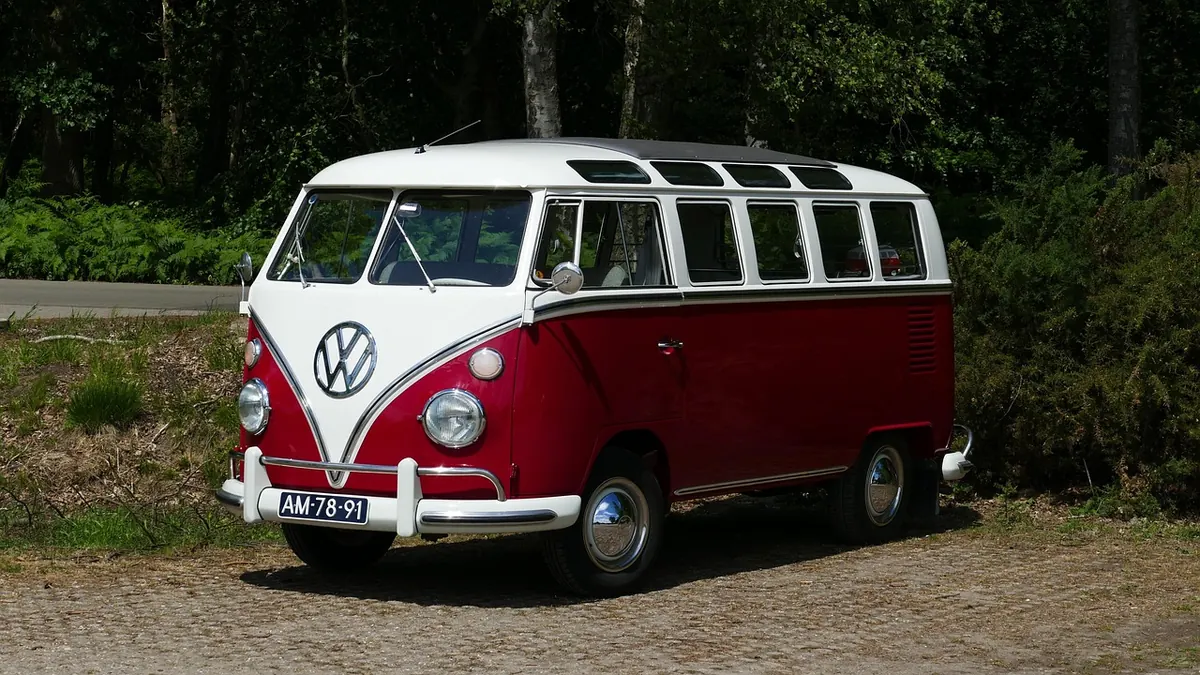
Photo: Wensbos / Pixabay